Anthropic Want Feelings, Not Firewalls: Why EQ Is the New Tech Skill
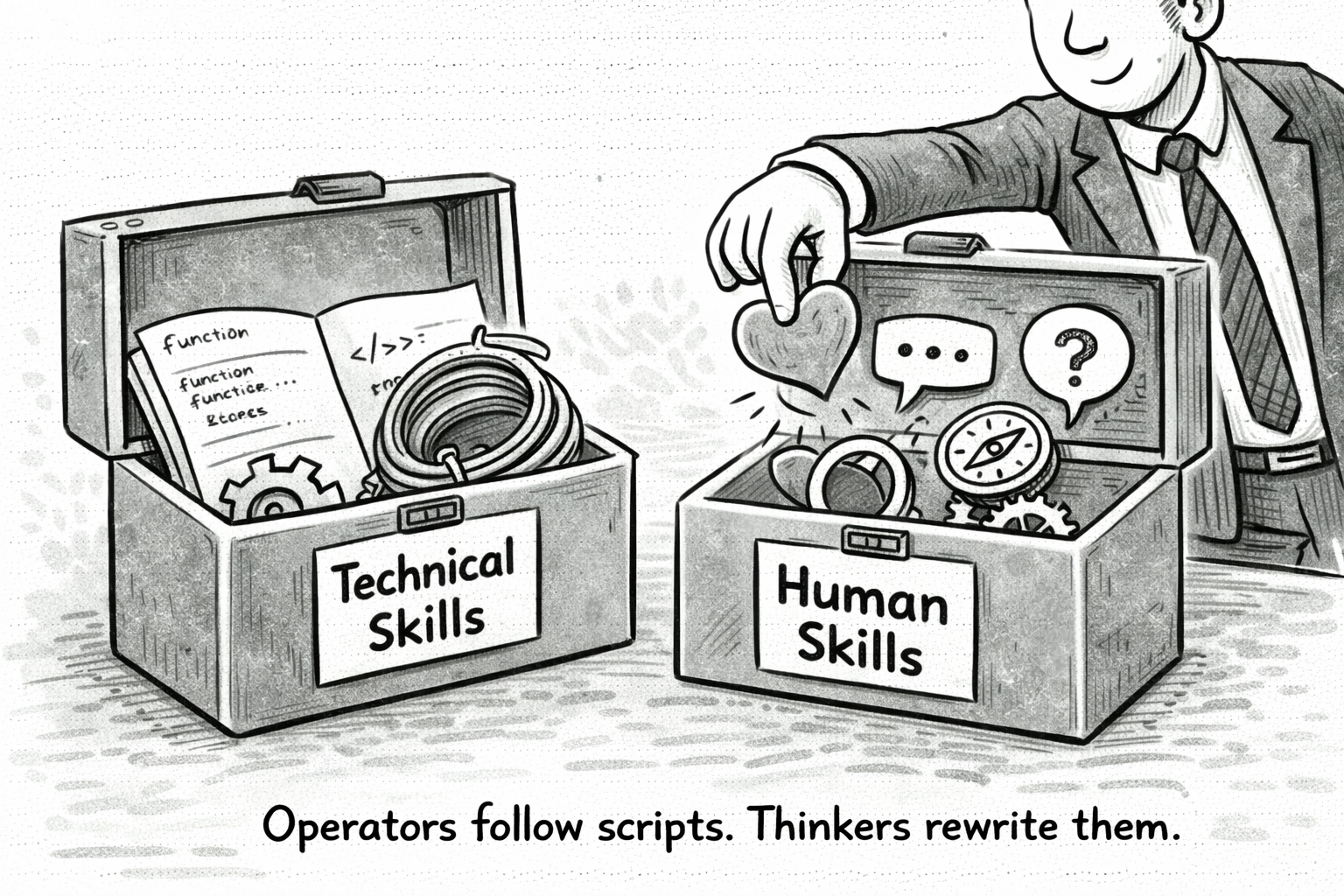
One of the most interesting stories I covered this week wasn’t about a new model or a product launch. It was about a hiring philosophy. Anthropic’s co-founder Daniela Amodei went on record saying that when they hire, they’re looking for people with excellent emotional intelligence, strong communication skills, kindness, compassion, and curiosity. Not just technical chops.
And I have to say, when Reece brought that up on Prompt Fiction this week, I nearly fell off my chair. Not because it surprised me, but because it’s exactly what we’ve been saying at Techosaurus for years.
Sources: BusinessToday (8 Feb 2026), National Today (7 Feb 2026)
AI Is a Communication Skill, Not a Technical One
One of the things we teach to people all the time is that AI fell on everyone’s lap at the same time. Just because you’re a techie doesn’t mean you’re better at AI than anybody else. I say that as a techie. And I say that because I know many techies who, when you try to teach them something new, think they already know best.
I had a brilliant example on LinkedIn recently. A gentleman, a developer with 25 years of experience, commented on one of my posts essentially saying: why do people need to be taught how to use AI? Just get on there and play with it. And there’s a tiny part of me that agrees. But there’s a much bigger part that knows, from working with hundreds of businesses through our Skills Bootcamps, that most people have had it drummed into them by society that technology is for “techie people.” They think they need to speak in algorithms. They think they’ll break something. They need someone to break down those barriers and give them permission.
That’s the work we do at Techosaurus every day. And it’s exactly the kind of thinking Anthropic are now saying they value most.
The GCHQ Connection
I mentioned on the podcast that GCHQ actively promote and recruit neurodivergent people. The reason is fascinating: neurodivergent people have often had to develop creative problem-solving, lateral thinking, and coping mechanisms just to get through life. The roadblocks they’ve faced have taught them to think around problems rather than through them. And that skill, the ability to approach a challenge from an angle nobody else considered, is exactly what organisations like GCHQ need.
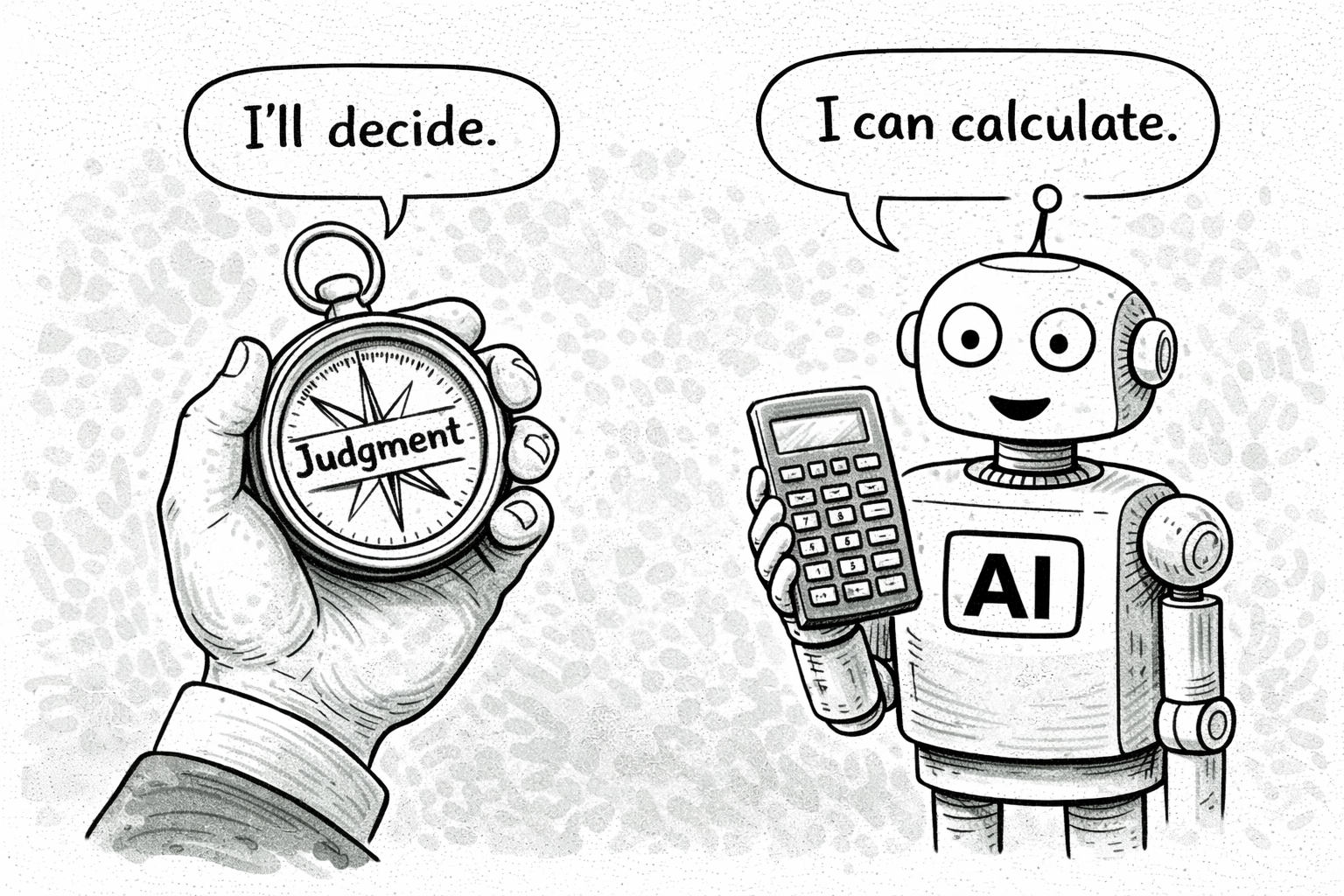
It’s the same principle Anthropic are applying. They don’t just want people who can write code. They want people who can think, communicate, question, and bring human judgement to the table. Because AI is really good at the purely technical stuff. What it’s not good at is the messy, human, emotional-intelligence stuff. And as AI gets better at the technical work, the humans who bring those softer skills become more valuable, not less. Look up Moravec’s paradox if you want to explore this more – a concept in AI/robotics: it is comparatively easy to get computers to do well on abstract reasoning (like chess) but very hard to get them to do what humans find easy (such as perception and mobility)
There was a story a while back about how a disproportionate number of CEOs have dyslexia, for that exact same reason. They’re used to hitting barriers and having to find ways around them. That makes them quite successful when it comes to the kind of critical decisions a CEO has to make. Same principle, different context.
Creativity as the New Literacy
Reece made a brilliant point on the podcast about Chase Jarvis, the photographer who founded Creative Live. Jarvis argued that creativity is the new literacy. A hundred years ago, the boom in widespread literacy unlocked incredible writers and thinkers. If we start nurturing creativity with the same intention, what does that unlock?
And creativity isn’t just about painting and photography. There’s creativity in problem-solving, in strategy, in leadership. To solve a problem, you’ve got to be creative to get around it. I regularly say to people: don’t think through a problem, think around it. Step back to before the problem existed. Can you prevent it in the first place? These are different approaches, and they all require a creative mindset.
Operators vs Thinkers
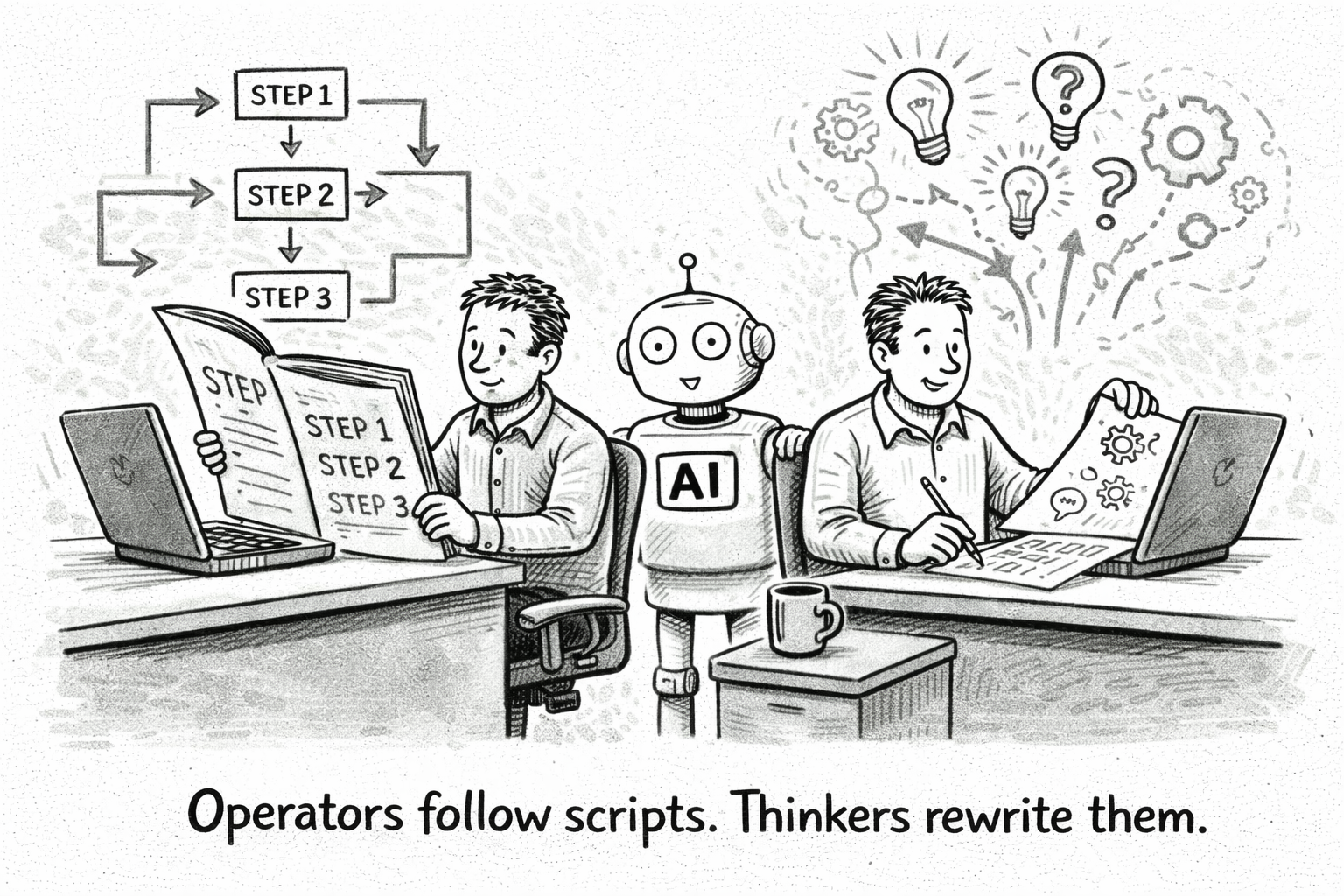
Here’s the thing that I think a lot of people miss. If you can write something down as a script, a step-by-step process, machines are absolutely fantastic at following it. That’s what they do. Where machines fall down is when the script goes wrong. When something unexpected happens. Because a machine will stop. And honestly, you don’t really want it to have a go either, because what if it gets it spectacularly wrong?
Whereas a person, a creative, emotionally intelligent person, we can trust them to make a judgement call. We can say “we know you’re a safe pair of hands, and if something goes wrong, we trust you’ll make the right decision.” You can’t say that to a machine.
So the operators, the people whose entire value is doing the scripted work? Those roles are going to change. But the thinkers, the questioners, the people who push AI and tell it “that’s not good enough” and ground it in real-world experience? They’re going to be more important than ever.
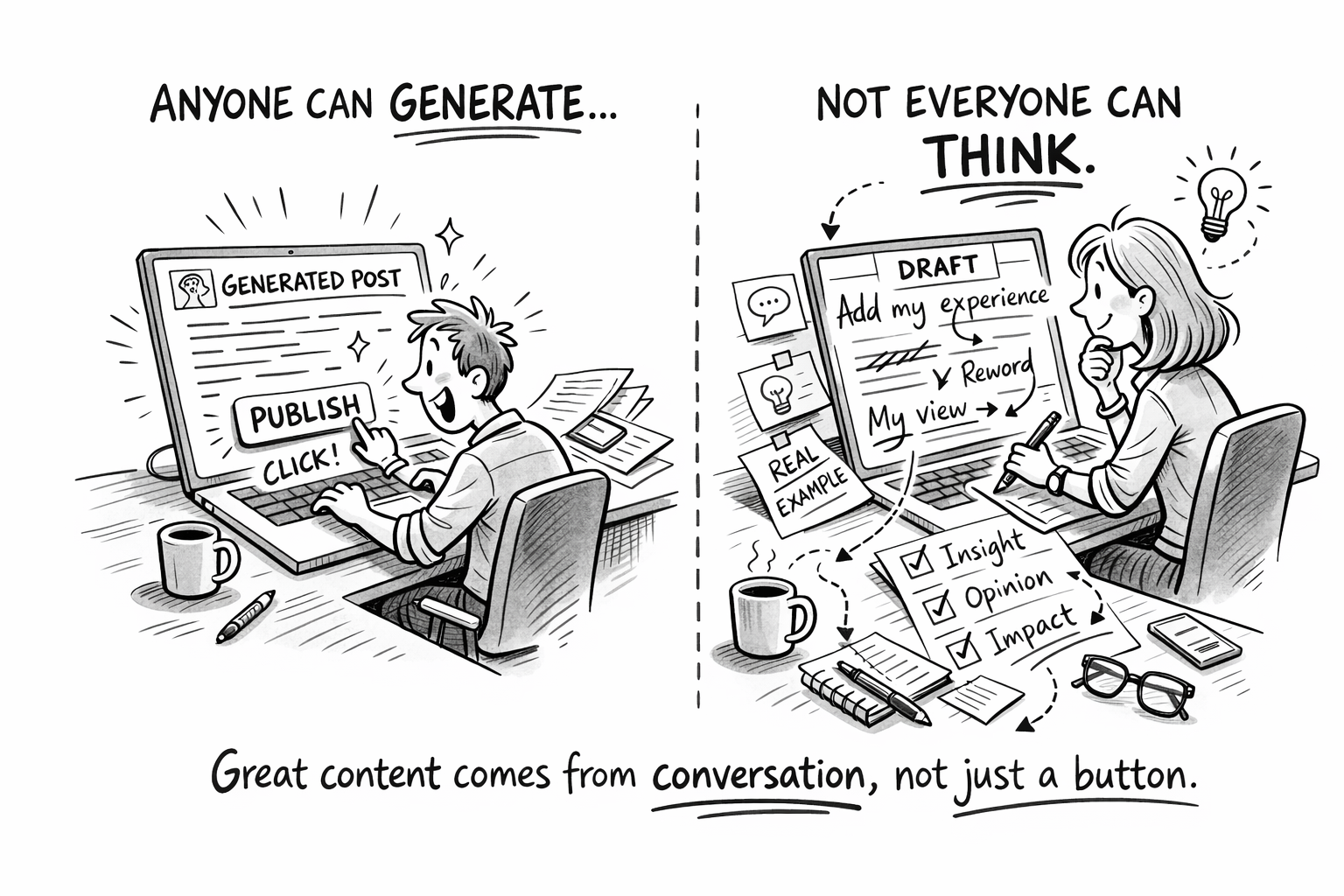
Just look at LinkedIn. The amount of people who ask AI to write a post and just hit publish. Anyone can do that. But the person who asks AI to draft something, then has a conversation with it about their actual views and opinions, then rewrites it grounded in their own experience? That person’s content will stand out every single time. Because it’s got them in it.
And that’s exactly what Anthropic are hiring for. The future belongs to the curious, not the compliant.
I discussed this topic on the latest episode of Prompt Fiction. Listen to Chapter 11, Part 1 here.
Scott Quilter | Co-Founder & Chief AI & Innovation Officer, Techosaurus LTD