The Artisan, The Factory, and The Future: Why AI Isn’t Coming For Your Job (But Bad Leadership Might Be)
The Conversation We’re Not Having
Let me be blunt. The media has got the AI story wrong.
Every week there’s a new headline: “AI will replace 40% of jobs.” “Your role is at risk.” “The robots are coming.” It makes for great clickbait, but it’s lazy journalism that hasn’t pulled the layer back far enough to ask the obvious follow-up question: who is actually making the decision to replace people, and why?
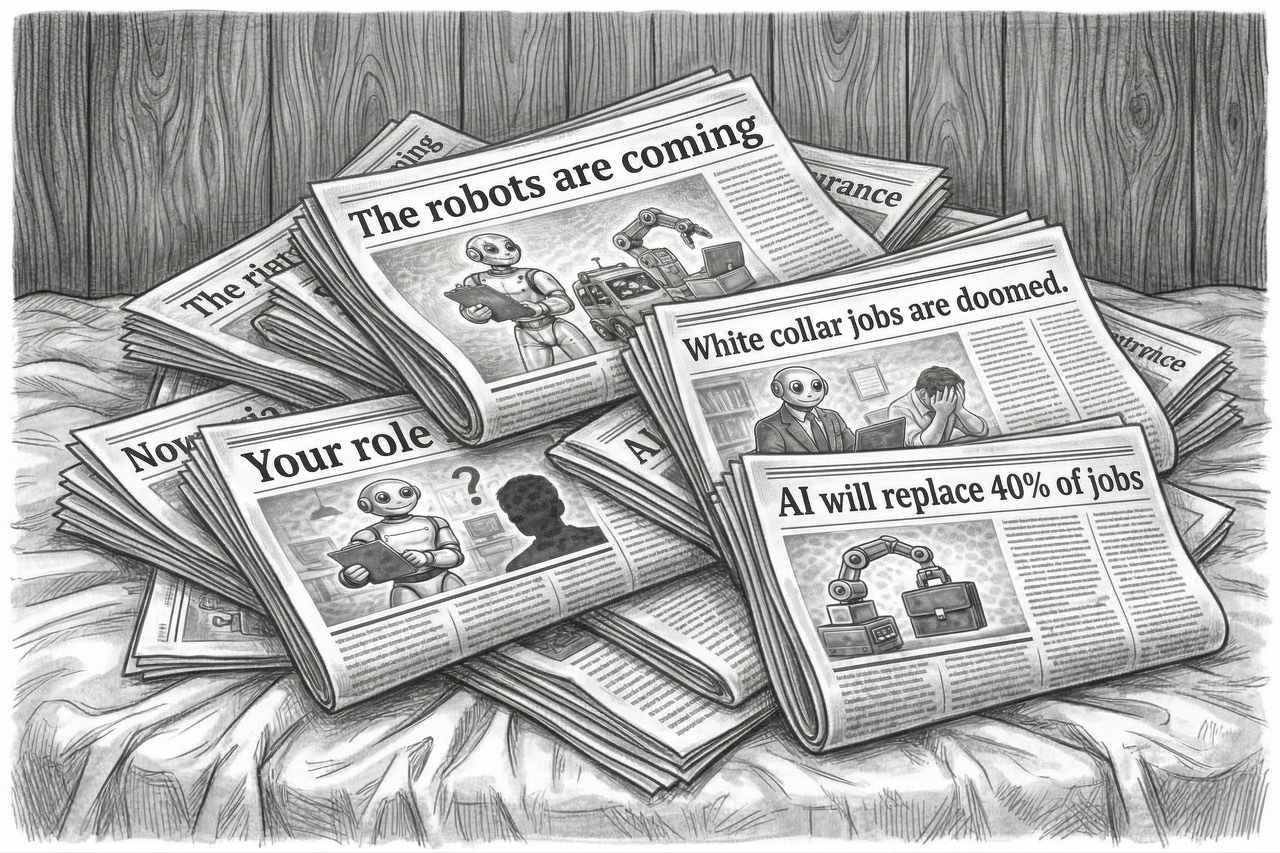
Because here’s the thing. AI doesn’t fire people. AI doesn’t walk into a boardroom and say, “Right, let’s get rid of the marketing team.” AI doesn’t decide that your twenty years of experience aren’t worth keeping.
A leader does that. A human being makes that call.
And in my experience, having trained over 150 businesses across the Southwest in how to actually work with AI, the leaders making that call almost always fall into one of two categories: they either don’t care about their people, or they genuinely don’t understand what AI is and what it isn’t. Both are problems. But only one of them is malicious.
This piece is for all of them. Whether you’re a leader who’s already made that call, one who’s considering it, or one who wants to do right by your people but isn’t sure how, I want to give you a framework that will help you make an educated decision. Not one based on fear. Not one based on hype. One based on reality.
The Three Mindsets: Where Does Your Business Sit?
After years of working with businesses of all sizes, across all sectors, I’ve seen the same three mindsets emerge again and again when it comes to AI adoption. I call them The Traditionalist, The Shortcutter, and The Amplifier.
None of them are inherently wrong. But only one of them is built to thrive in the long run. And the best way I can explain it is through something we all understand: food.
The Traditionalist: Organic, Hand-Made, Farm-to-Table
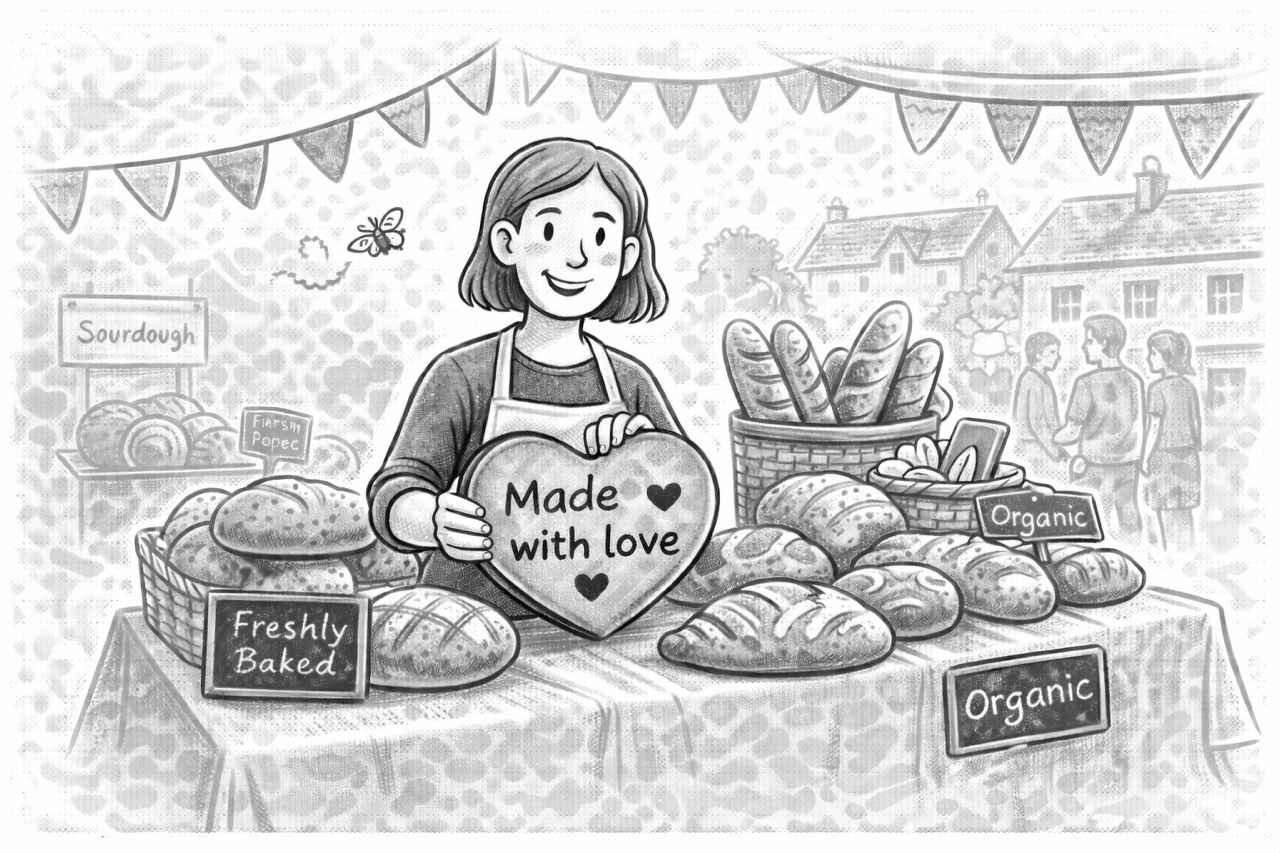
Picture a village fair on a Saturday morning. There’s a stall selling sourdough bread that someone got up at 4am to knead by hand. There’s homemade chutney, organic vegetables pulled from the ground that week, and a chalkboard sign that says “made with love.”
That’s The Traditionalist. They do everything by hand. No AI. No automation. Pure human grit, skill, and effort.
And you know what? There’s something genuinely beautiful about that. We love hand-made things. We pay a premium for organic produce. We seek out the artisan bakery over the supermarket because we can taste the difference, we can feel the care, and we value the story behind it.
The Traditionalist will always have a place. Just as we still have master craftspeople, independent makers, and boutique businesses that thrive on being entirely human-made, there will always be a market for work that is untouched by AI.
But it comes at a cost.
It takes longer. It’s harder. It’s more expensive to produce. And as the world around you accelerates, scaling becomes increasingly difficult. The Traditionalist approach becomes a conscious choice rather than the default, and your audience narrows to those willing to pay the premium for that purely human touch.
If that’s your choice, own it. There’s honour in it. But make sure it’s a deliberate strategy and not simply a refusal to adapt out of fear.
The Shortcutter: Mass-Produced, Force-Grown, Factory-Line
Now picture the other end of the spectrum. A supermarket shelf stacked floor to ceiling with identical white sliced bread. Perfectly uniform. Efficiently produced. Cheap. Available everywhere.
That’s The Shortcutter. And this is where a frightening number of businesses are heading right now.
The Shortcutter sees AI as a way to slash costs. Replace the copywriter with ChatGPT. Replace the designer with Midjourney. Replace the customer service team with a chatbot. Do the same work with fewer people, pocket the savings, and call it “innovation.”
It’s not innovation no matter how much you tart it up, it’s cost-cutting at best
When you replace your people with AI, you don’t get better work. You get faster work. You get cheaper work. But you get work that is technically functional and completely soulless. It lacks the nuance, the context, the lived experience that makes the difference between something that’s “fine” and something that’s exceptional.
And here’s the kicker: if everyone is using the same AI tools to produce the same outputs, everyone’s work starts to look, sound, and feel identical. You’re not differentiating. You’re not innovating. You’re operating in the most crowded room imaginable, competing on nothing but price and speed. Win fast, lose fast.
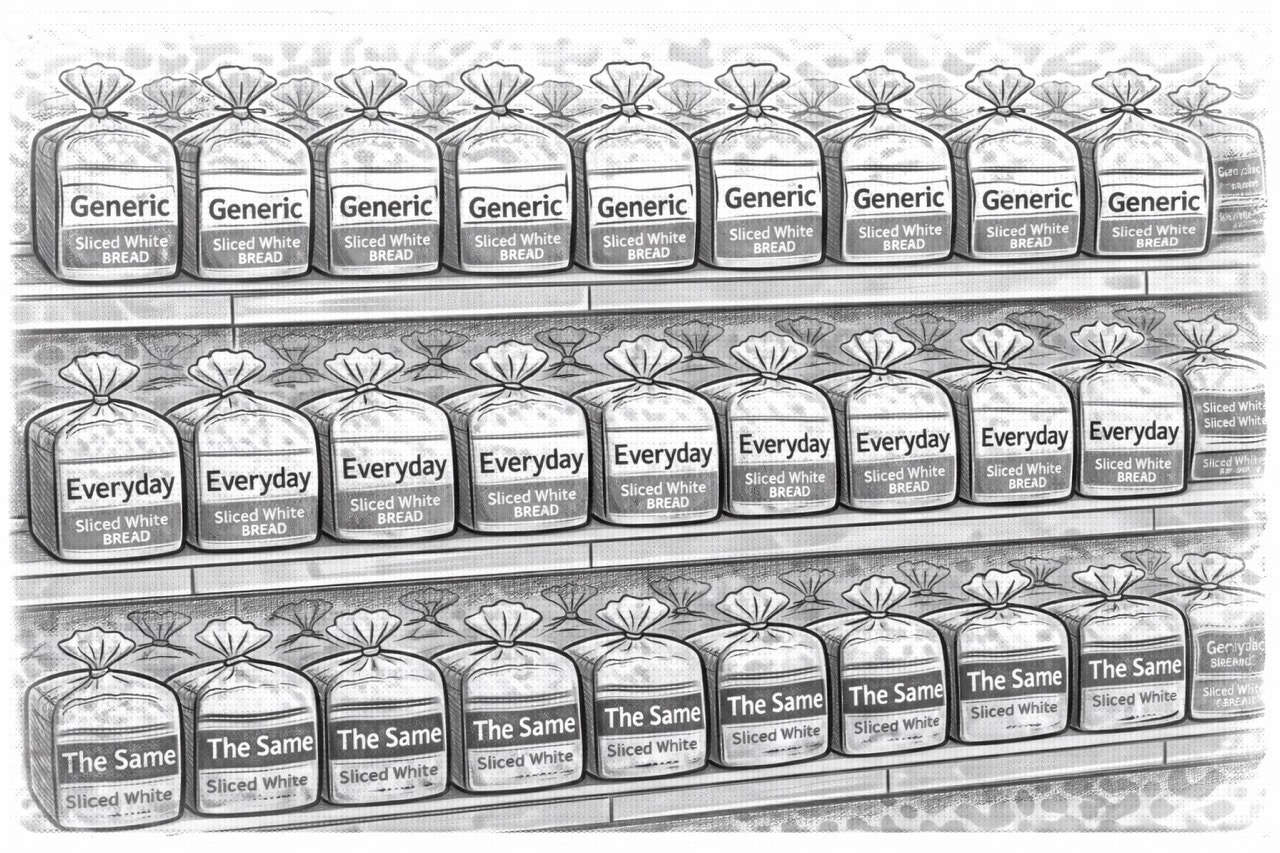
The Shortcutter’s output is the GMO equivalent of business. It’ll do the job. It’ll fill a gap. But nobody is going to rave about it. Nobody is going to come back for more because of how it made them feel. It’s grey. It’s bland. It’s forgettable.
And the businesses that go all-in on this approach? They become the modern equivalent of the factory production line. Their people aren’t “using AI.” They’re serving the AI. They’re operators, checking boxes, clearing errors, and feeding a machine that produces mediocrity at scale.
Which brings me to the most important point of this entire piece.
The Irony The Media Is Missing
Leaders who think they’re being cutting-edge by replacing people with AI are actually recreating the most old-fashioned business model imaginable. They’re building Victorian-era factories with a digital coat of paint.
The Industrial Revolution gave us mass production. It gave us efficiency. It also gave us sweatshops, dehumanised labour, and products that were “good enough” but never great. We spent the next two centuries clawing our way back towards valuing craftsmanship, creativity, and human skill.
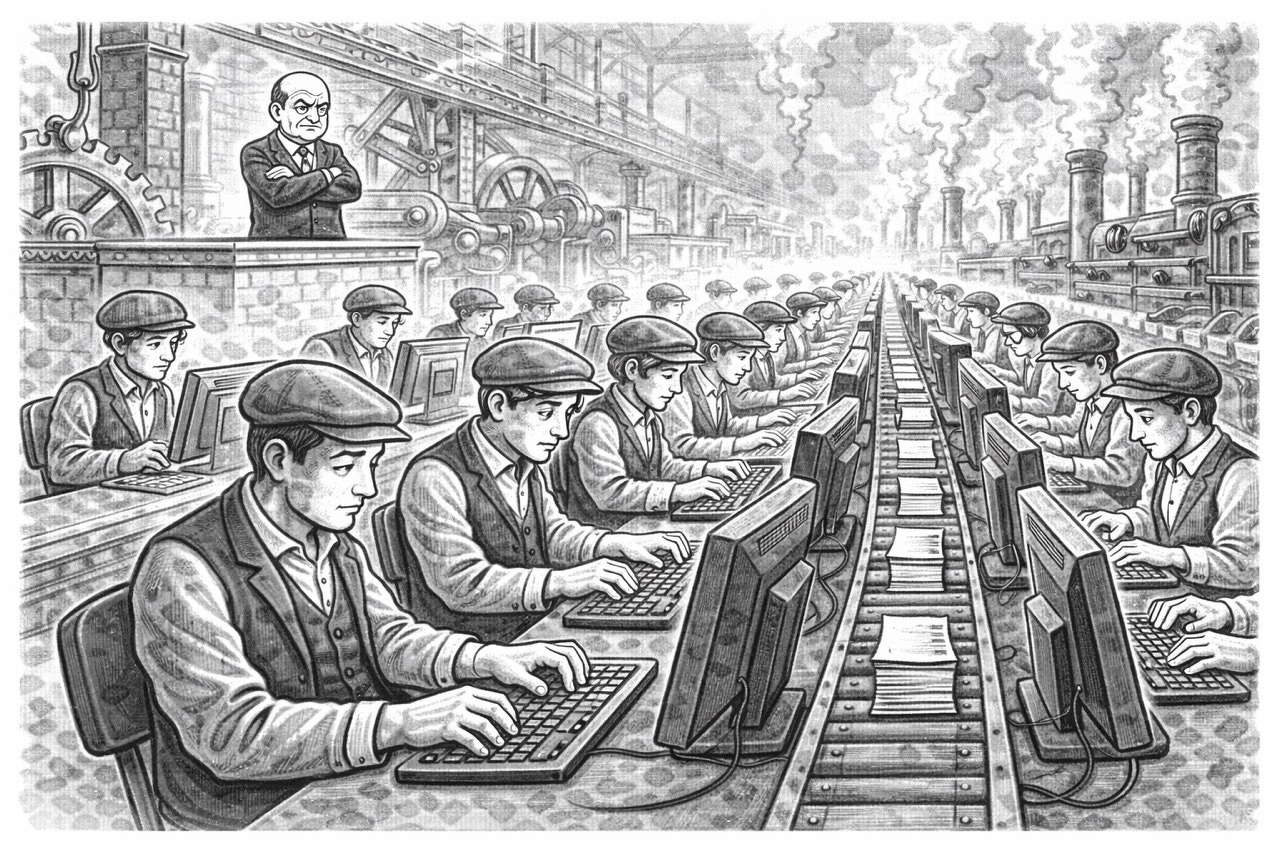
And now, in 2026, some leaders want to do it all over again. Different machines. Same thinking.
That’s not progress. That’s regression with better branding.
The Amplifier: The Modern Artisan
Now picture something different. A master chef who has spent twenty years perfecting their craft. They know flavour profiles instinctively. They can tell by touch whether dough is ready. They understand the “why” behind every technique.
Now give that chef access to the best equipment in the world. Precision temperature control. Data on seasonal ingredient quality. AI-assisted menu planning that analyses customer preferences and dietary trends.
Does the technology replace the chef? Of course not. The technology amplifies the chef. It handles the noise so they can focus on the signal. It takes care of the data-heavy, time-consuming groundwork so the chef can pour their energy into the thing that actually matters: the craft.
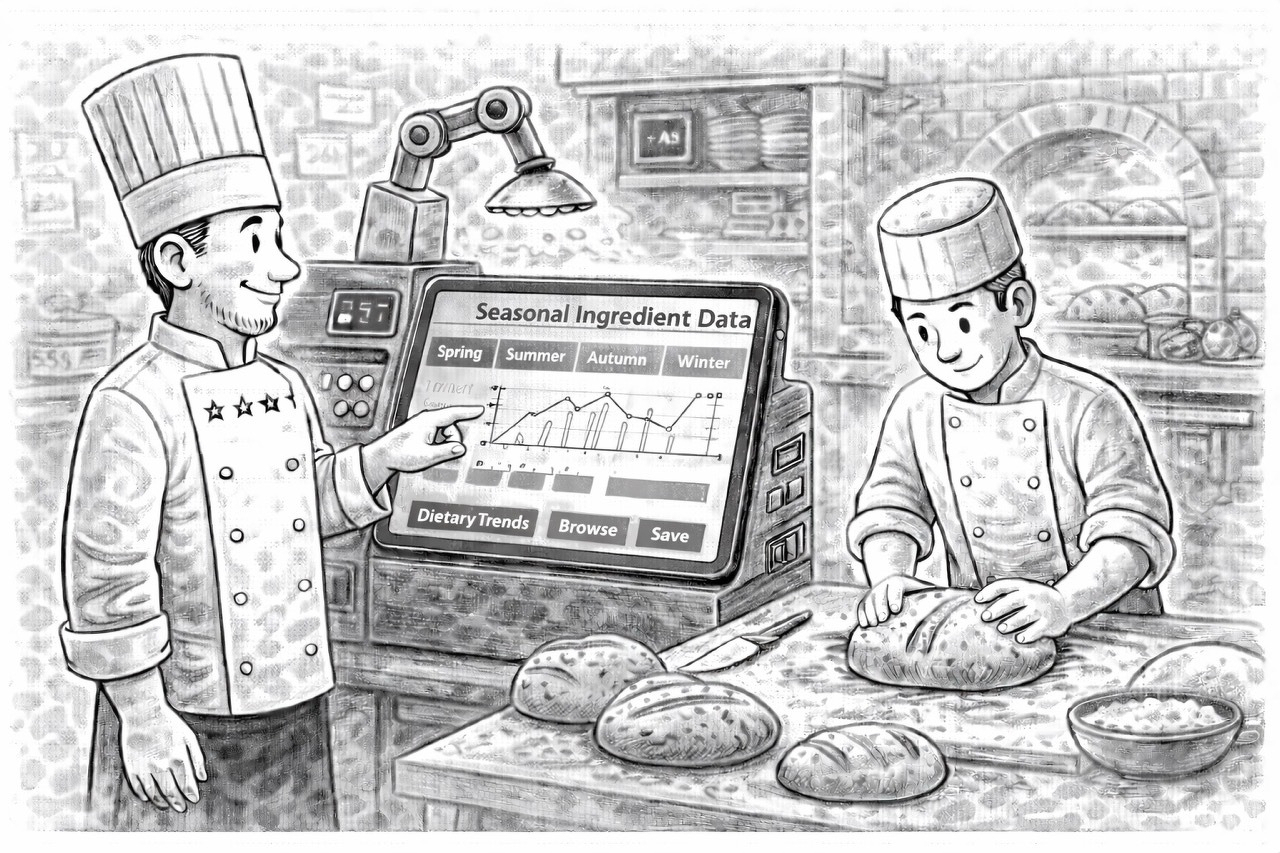
That is The Amplifier model. And it is the future.
When you take a seasoned professional, someone who has spent years building expertise, developing instincts, and accumulating the kind of knowledge you simply cannot prompt into a machine, and you give them AI as a tool, something remarkable happens.
They don’t just get faster. They get better.
They use AI to handle the initial research, the data crunching, the first drafts, the repetitive administrative tasks that eat up 40% of their week. And then they apply their human brilliance to the parts that actually require it: strategy, empathy, ethics, judgement, creativity, and the kind of contextual awareness that only comes from lived experience.
The Amplifier doesn’t produce “good enough” work. The Amplifier produces the best work that has ever been done, because for the first time in history, exceptional humans have access to tools that can keep up with them.
This is the artisan product of the future. Amplified with the best of the best in marketing, sales, quality control, outreach, and more. Not cheapened by technology. Elevated by it.
So Who Is Actually Coming For Your Job?
Let’s address the elephant in the room head-on.
AI is not coming for your job.
What is potentially coming for your job is a leader who doesn’t understand AI, doesn’t understand your value, and sees you as a line item on a spreadsheet rather than a human being with skills, experience, and potential.
There are two types of leader making the decision to replace people with AI right now, and they need very different conversations.
The First Type: The Leader Who Doesn’t Care
Let’s not dress this up. Some leaders see AI as an opportunity to get rid of people they never valued in the first place. They don’t understand what their teams actually do. They don’t appreciate the tacit knowledge, the relationships, the institutional memory that walks out the door when someone is made redundant. They see a cost on a spreadsheet and an AI tool that promises to do it cheaper.
These leaders will build Shortcutter businesses. Grey, bland, factory-line operations that compete on price and lose on everything else. They’ll have their place in the market, just as budget supermarkets have their place. But they will never produce anything remarkable, and the best talent will leave long before the business fails.
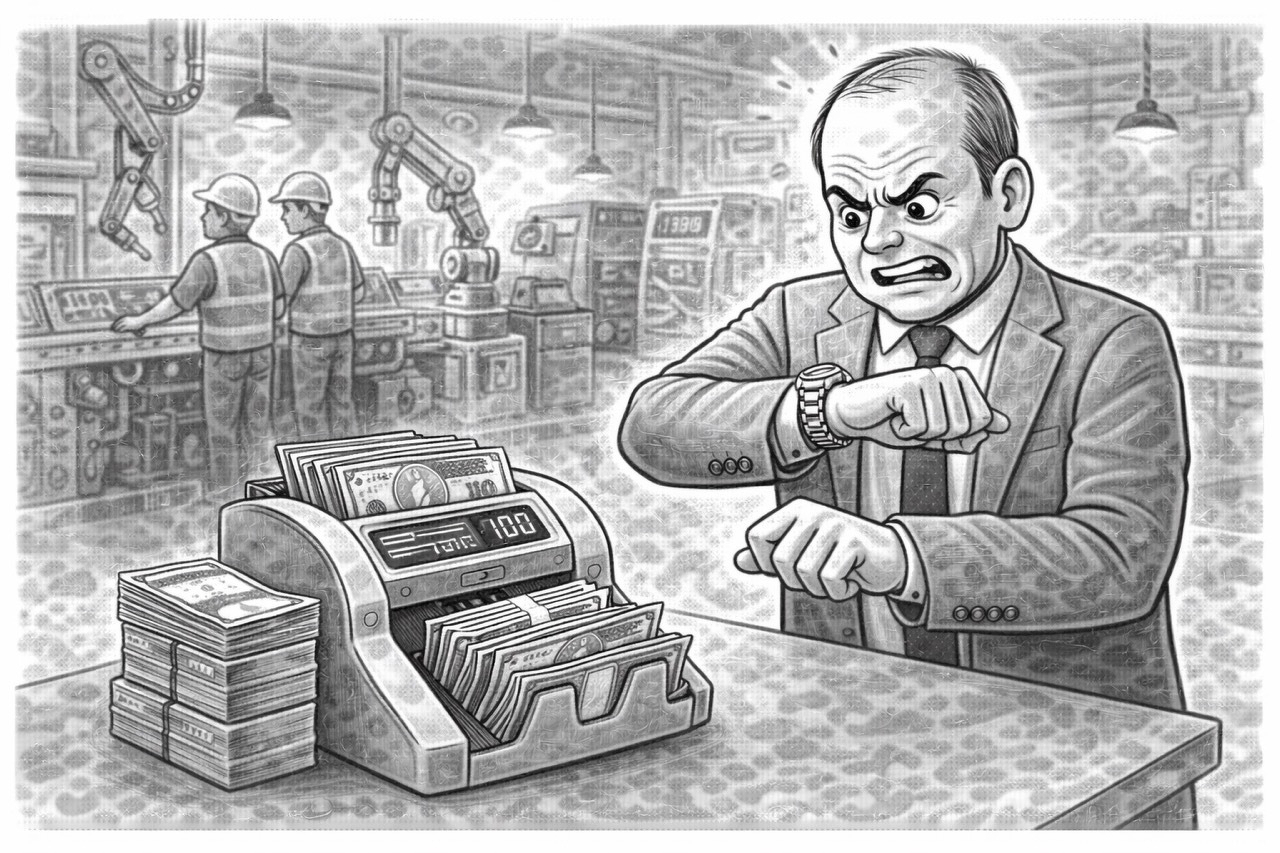
If you work for this type of leader, the uncomfortable truth is that AI isn’t your problem. Your leadership is your problem. And it was your problem long before ChatGPT existed.
The Second Type: The Leader Who Doesn’t Know Better (Yet)
This is the one I want to talk to directly. Because there are genuinely good leaders out there who are making bad decisions about AI, not because they don’t care, but because they’re following bad advice.
They’re reading the same headlines as everyone else. They’re hearing from consultants and vendors that AI can “do it all.” They’re under pressure from boards and shareholders to cut costs and “embrace innovation.” And they’re making decisions based on fear and hype rather than understanding.
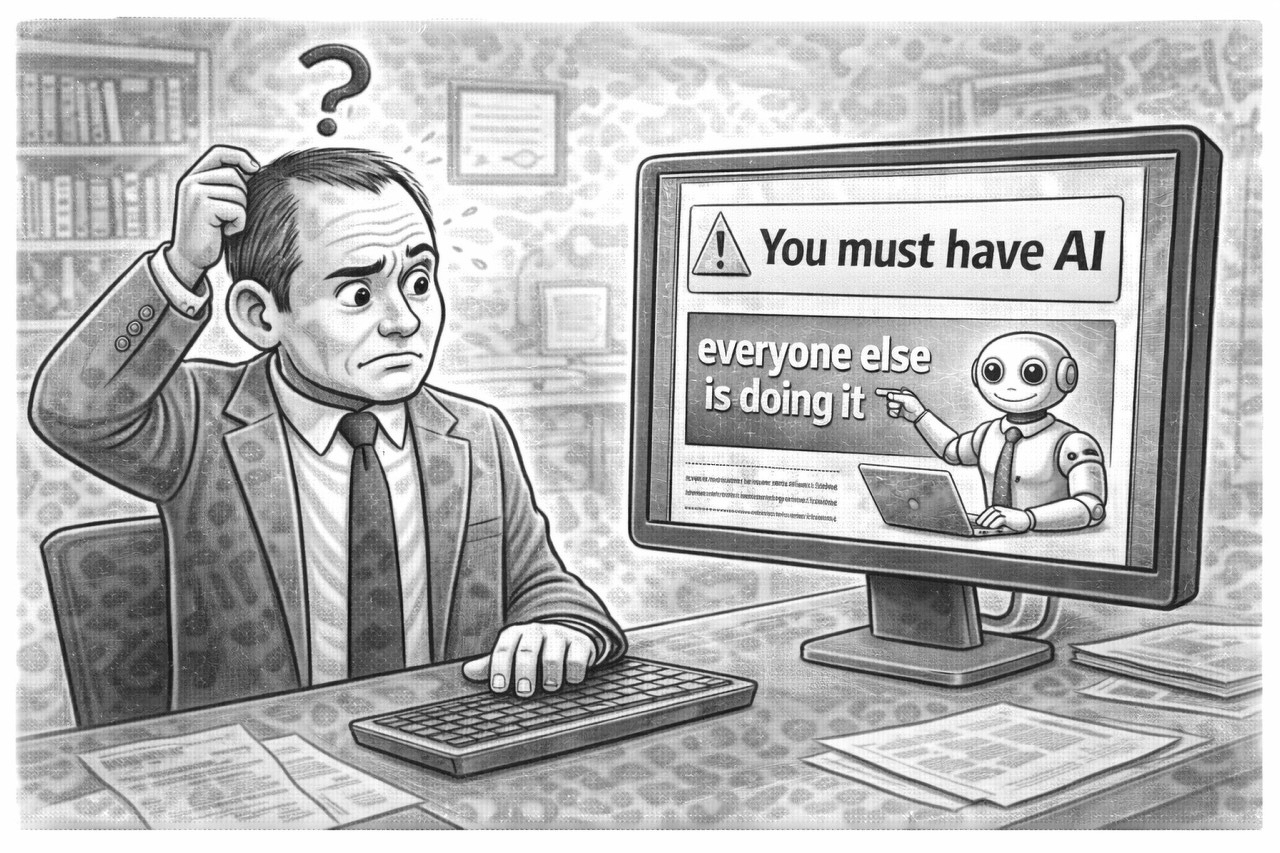
If this is you, I have one piece of advice: stop. Reflect. And educate yourself before you make a decision you can’t undo.
Replacing your people with AI before you understand what AI actually does, what it’s good at, what it’s terrible at, and what it fundamentally cannot do, is like buying a Formula 1 car before you’ve passed your driving test. You’re going to crash. And the people in the passenger seat (your team) are going to pay the price.
The good news? It’s not too late to change course. The best leaders I’ve worked with are the ones who had the humility to say, “I don’t fully understand this yet, but I want to.” They invested in training. They upskilled their teams. They learned alongside their people rather than making decisions about them from a distance.
And those businesses? They’re the ones winning. Every single time.
The Magic of the Future
Here’s where it all comes together.
The magic of the future doesn’t belong to the machines. It doesn’t belong to the algorithms or the large language models or the automation platforms.
The magic of the future belongs to the Traditionalists and the Amplifiers.
And both need exactly the same thing: awesome humans at the top of their game.
Humans with deep craft and expertise. Humans with communication skills that can inspire a room or calm a crisis. Humans with the curiosity to ask the question the AI didn’t think of. Humans with the judgement to know when the AI’s output is brilliant and when it’s confidently, dangerously wrong. Humans with the empathy to understand what a client actually needs, not just what they asked for.
The skills that matter most in 2026 and beyond aren’t technical. They’re deeply, irreplaceably human:
Craft. The lived experience that tells you what “excellent” looks like in your field.
Communication. The ability to articulate ideas, tell stories, and connect with people in a way that no machine can replicate.
Delegation. Knowing what to hand to the AI and what to keep for yourself. This is the new leadership skill of our generation.
Curiosity. The drive to ask “what if?” and “why not?” The questions that push beyond what the AI suggests into territory it could never reach alone.
Discernment. The wisdom to know when the machine is helping and when it’s leading you astray.
These are the skills that separate the artisan from the factory. The leader from the operator. The future-proof professional from the one who’s about to be made redundant, not by AI, but by their own reluctance to grow.
A Call to Leaders
If you’re a leader reading this, here’s my challenge to you.
Don’t be the person who replaces your team with a machine you don’t understand. Don’t be the one who builds a Victorian factory with a digital coat of paint and calls it progress.
Be the leader who says: “I’m going to give my people the best tools available and the training to use them. I’m going to invest in their skills, not replace them. I’m going to build a business where technology amplifies human brilliance rather than substituting for it.”
Because the businesses that will dominate the next decade aren’t the ones with the most AI tools. They’re the ones with the best people, equipped with the best tools, led by leaders who actually care.
AI is a fantastic intern, but a terrible CEO. It can do the legwork. It can handle the heavy lifting. But it needs a human with lived experience, good judgement, and genuine care to give it direction and soul.
The future isn’t AI-first. The future is human-led, AI-powered.
And if you’re not sure where to start? Start by talking to your people. Ask them what takes up most of their time. Ask them what they wish they could spend more time on. And then explore how AI might bridge that gap, together.
That’s not just good technology strategy. That’s good leadership.
And that’s why at Techosaurus we train humans, not machines. Because the future has always belonged to people. The tools just got better.